
This Gluten Free Lemon Loaf is light and fluffy with a soft, tender crumb that holds together when sliced. It is not dense or buttery like a pound cake and is meant to feel lighter, with a clean lemon flavor and gentle sweetness. The batter is thicker than usual, which is normal, and the short rest before baking helps prevent a gritty texture. It is lightly sweet, easy to make, and the kind of loaf you can serve for breakfast or a snack with tea.

Jump to:
Gluten Free Lemon Loaf: Texture and What to Expect
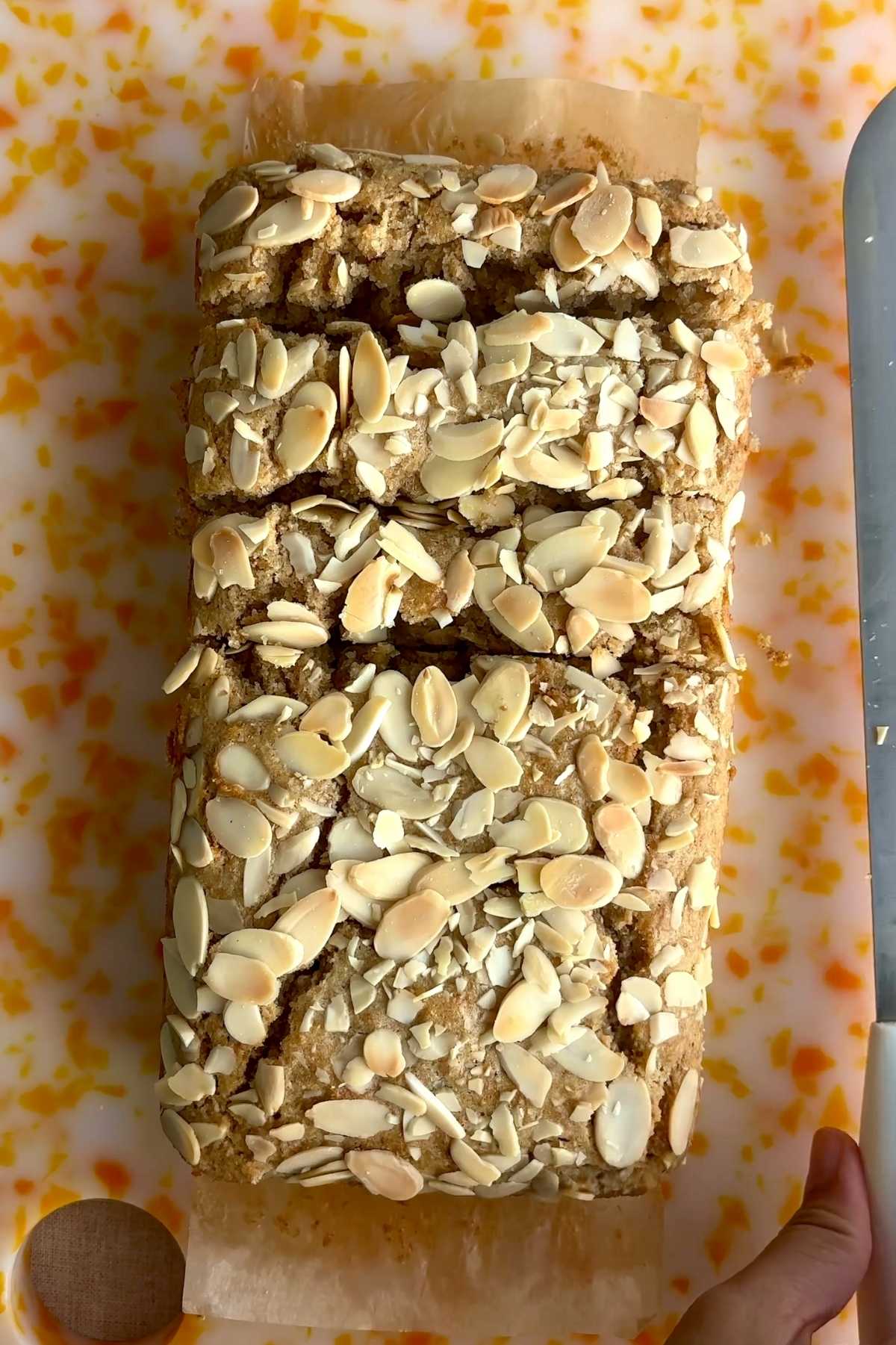
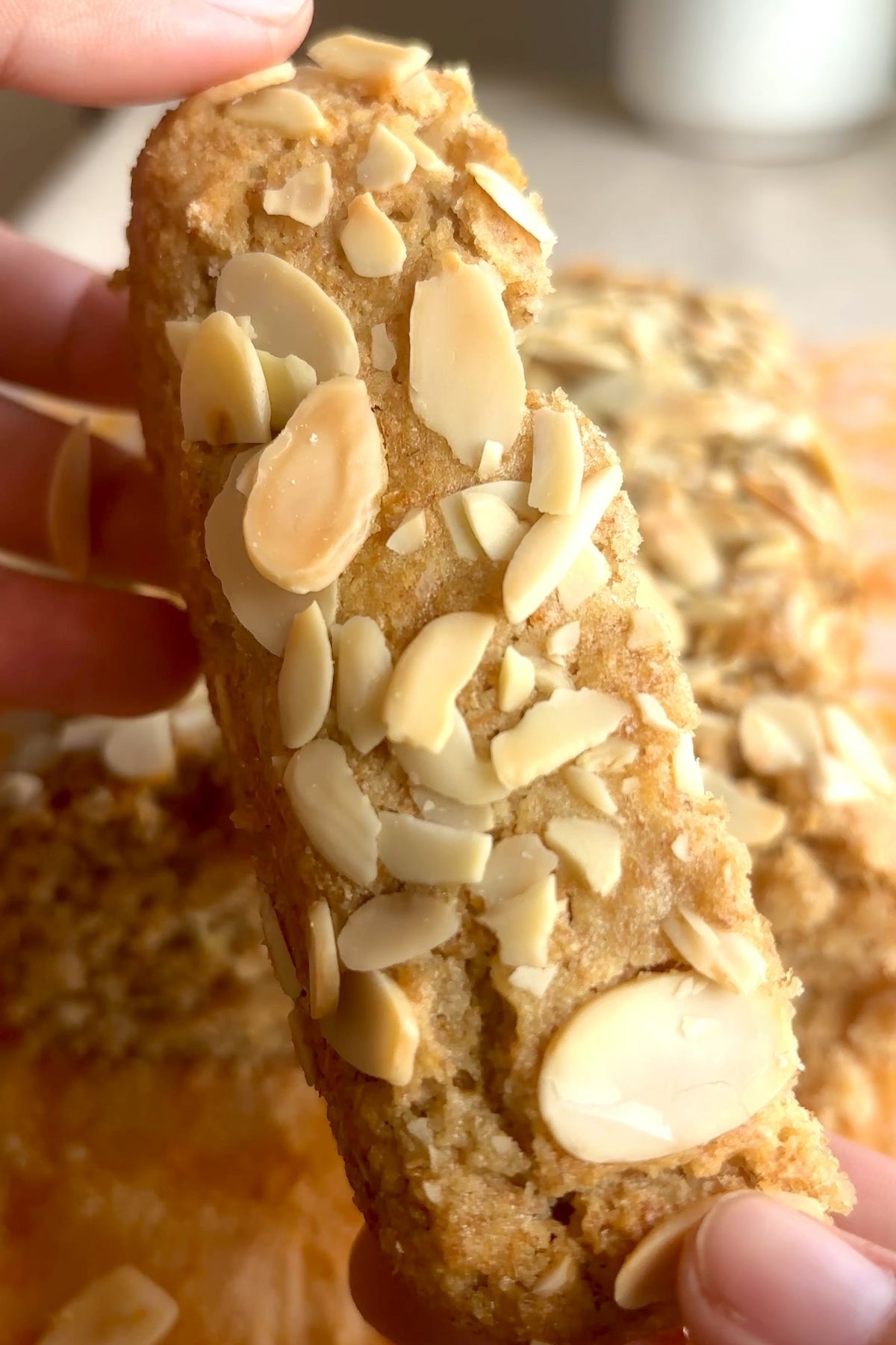
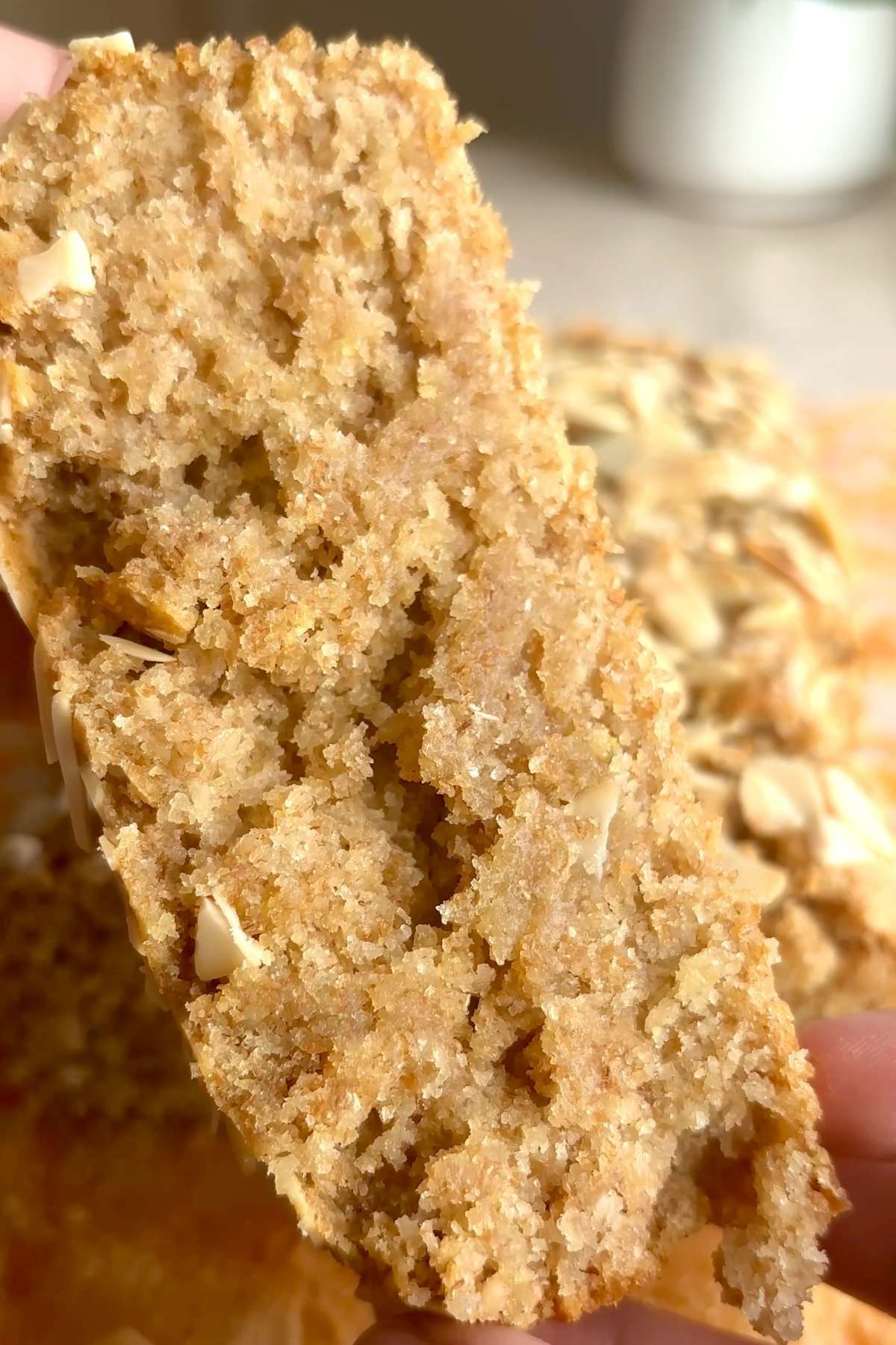
This loaf bakes up light and fluffy with a soft, slightly crumbly interior. It holds together when sliced and does not feel wet or gummy in the center.
The batter is thicker than a typical wheat-based lemon loaf. That is normal. Buckwheat absorbs liquid quickly, which is why the short rest before baking matters. Skipping that step can leave the finished loaf feeling gritty.
Once baked, the crumb is tender and moist without being oily. The almond flour keeps it from turning dense, and the applesauce helps it stay soft after cooling. The lemon flavor comes through clearly, with a gentle sweetness rather than a dessert-level sugar hit.
This is not meant to mimic a buttery pound cake. Think more along the lines of a sliceable breakfast loaf that still feels satisfying with coffee or tea.
Why This Lemon Loaf Works
- Light, fluffy crumb without falling apart. Buckwheat gives structure and almond flour softens it, so the loaf holds together and still feels tender.
- Clear lemon flavor, not muted or bitter. Lemon juice and zest are used together in balanced amounts, so the flavor comes through without tasting sharp.
- Moist without feeling oily. An oil-based batter and applesauce keep the loaf soft after baking and through the next day.
- No gritty texture. Letting the batter rest briefly gives the flours time to hydrate, which makes a noticeable difference once baked.
- Reliable for everyday baking. One bowl, no mixer, standard loaf pan, and ingredients that are easy to find.
- Not overly sweet. It works for breakfast, snacks, or with coffee, not just as a dessert loaf.
Key Ingredients
- Buckwheat flour
- This provides structure and body and is naturally dense and absorbent, which is why it needs support from another flour and a short rest before baking. Use light buckwheat flour only, as dark or whole buckwheat will make the loaf heavier and stronger in flavor. Buckwheat is technically a seed rather than a grain, which is why it behaves differently in baking – read more about buckwheat on Healthline.
- You can use store-bought buckwheat flour, or make your own by blending raw buckwheat groats in a high-speed blender like a NutriBullet (my favorite blender! Very powerful and easy to clean).
- Almond flour: This balances the buckwheat and keeps the crumb light and tender. In the US, almond flour is made from blanched almonds and is very fine. In Australia, the UK, and Europe, this is often sold as almond meal. Both work here, but very coarse almond meal will give a slightly more rustic crumb.
- Applesauce: This acts as the binder and adds moisture. It replaces the role eggs usually play in a loaf like this. Other substitutes do not behave the same way with buckwheat and can lead to a dense result.
- Lemon juice and lemon zest: Both are used for a reason. The juice gives acidity and flavor, and the zest carries most of the lemon aroma. Using only one leads to a flatter tasting loaf.
- Neutral oil: Oil keeps the crumb soft after cooling and the next day. Strongly flavored oils will come through in the finished loaf, so a neutral option works best.
- Sliced almonds: These add texture on top and protect the surface from drying. Use raw, not pre-toasted, since the long bake will toast them naturally.

Instructions
This loaf comes together quickly and does not require a mixer. If you want to get straight to baking, jump ahead to the recipe card below.

Step One: Whisk together the sugar, oil, and applesauce until smooth and emulsified.

Step Two: Add the milk and vanilla and whisk again.

Step Three: Stir in the lemon juice and zest.
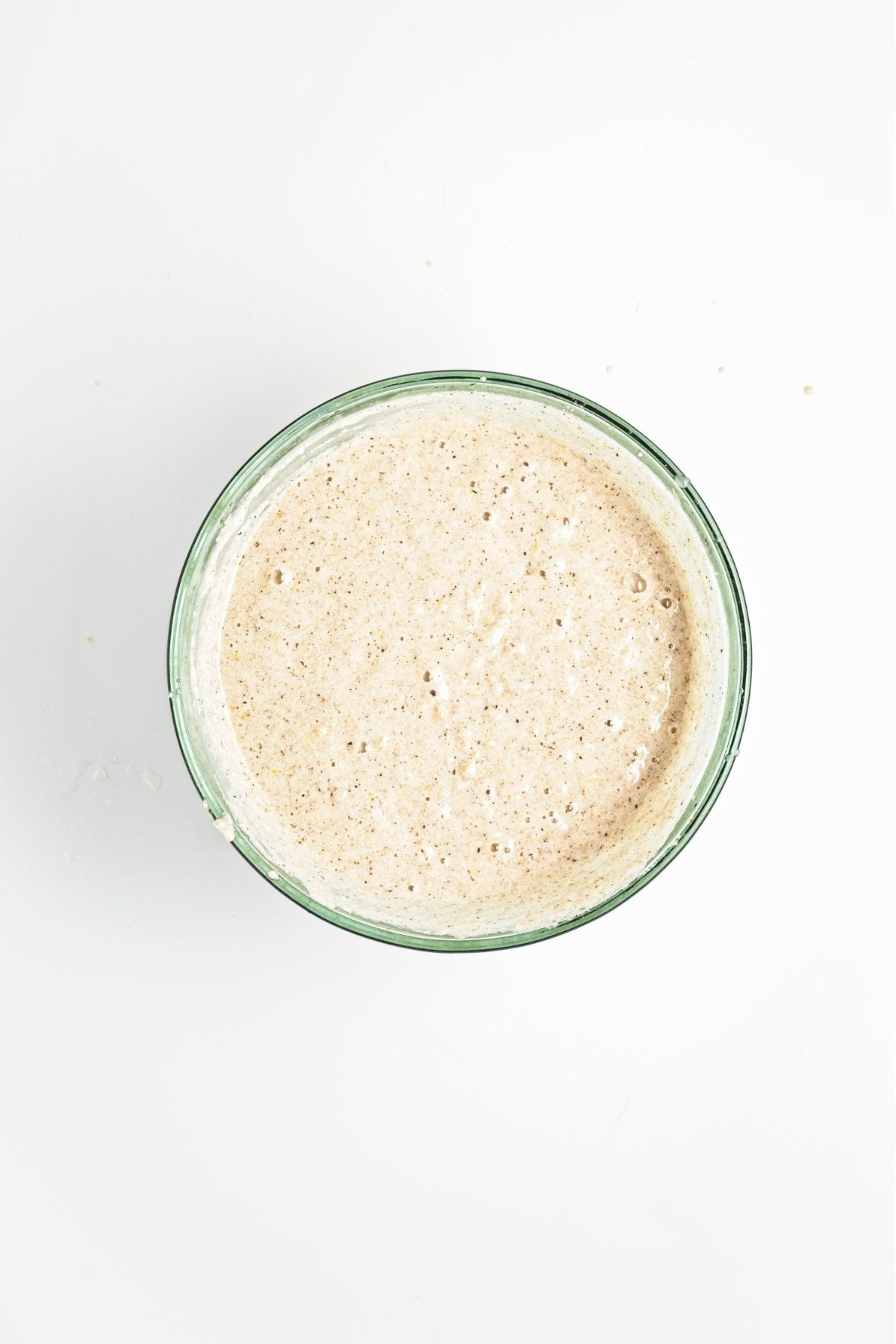
Step Four: Add the flours, baking powder, baking soda, and salt, and mix until smooth. Let the batter rest briefly so the flours fully hydrate.
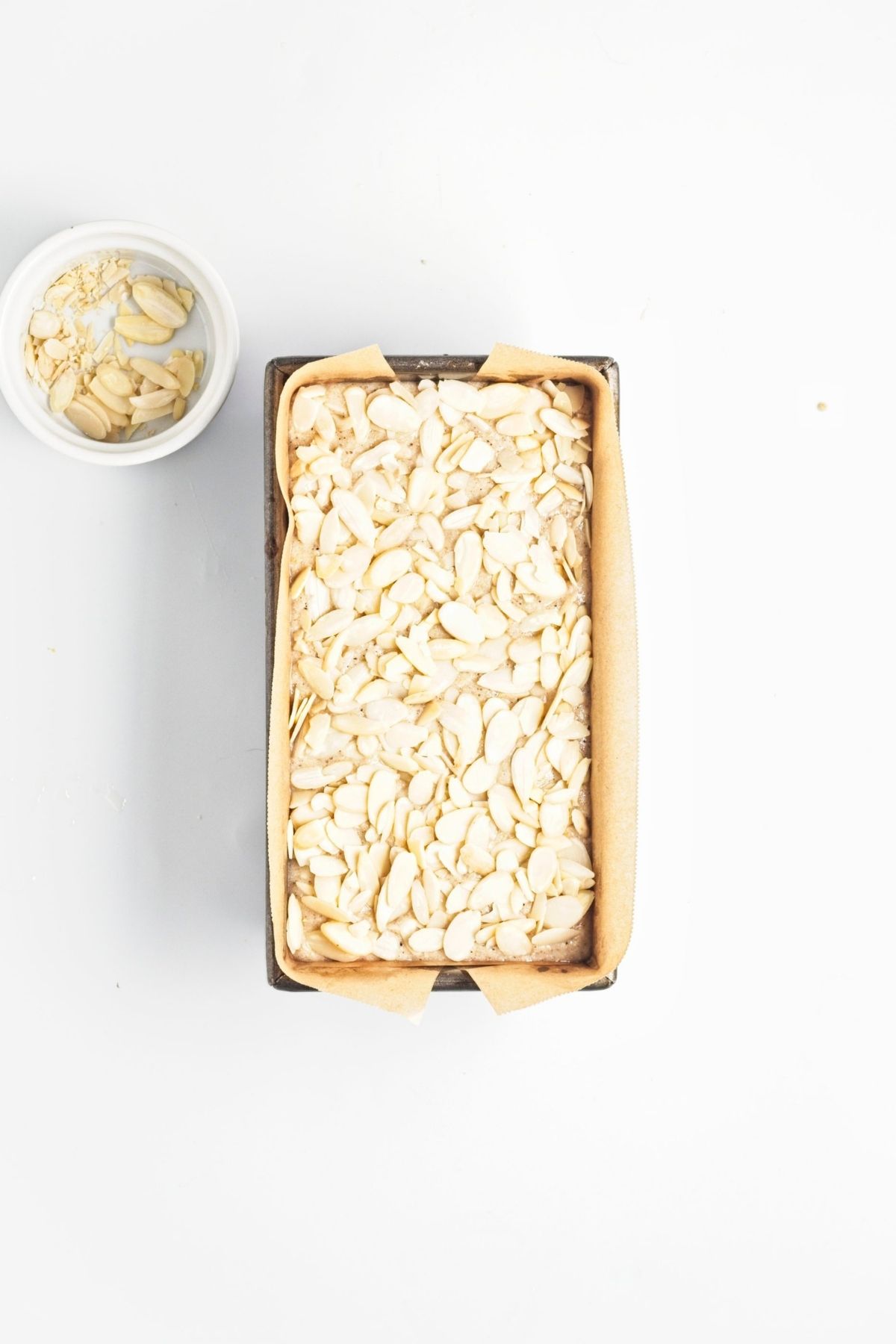
Step Five: Transfer to the prepared pan, level the top, and sprinkle with sliced almonds.
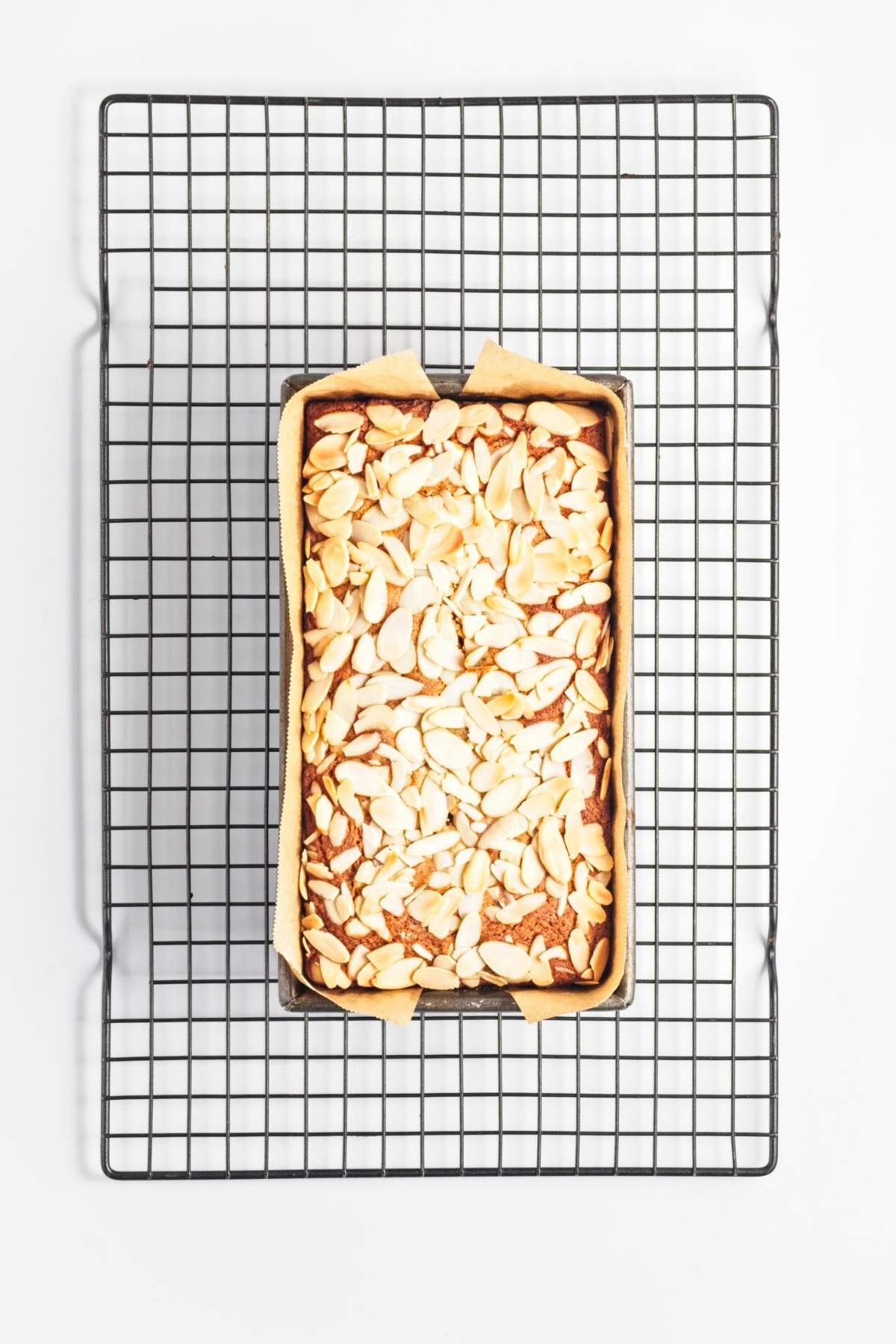
Step Six: Bake until set in the center and lightly golden, then cool before slicing.
Substitutions You Can and Cannot Make
This recipe is forgiving in some areas and very strict in others.
- Milk: Any unsweetened dairy or plant milk works. For plant milks, oat, soy or almond milk give the most neutral result. Brand does not matter.
- Oil: Neutral oils like canola, sunflower, or vegetable oil work best. Olive oil can be used for a subtle savory note. Coconut oil will change the flavor and firm up more once cooled.
- Sugar: Granulated white sugar is ideal. Caster sugar works the same. Liquid sweeteners change the moisture balance and are not recommended.
- Almond flour: This is essential for texture. It lightens the buckwheat and keeps the crumb soft. Coconut flour is not a suitable substitute. Oat or rice flour will make the loaf heavy. Make sure you have measured it properly too! Sally’s Baking Addiction has a very handy guide on how to measure ingredients accurately.
- Buckwheat flour: Use light buckwheat flour only. Dark or whole buckwheat has a stronger flavor and produces a denser crumb.
- Applesauce: Use plain, unsweetened applesauce. Other binders like flax or chia lead to a dense result.
- Topping: The sliced almonds can be left off. Use raw almonds only, not pre-toasted, since the bake time will toast them naturally.
Storage
This loaf is best the day it is baked, once fully cooled.
Store leftovers in a sealed container in the fridge for up to 3 days. The almond flour helps it stay moist, but it will firm up slightly when cold.
For longer storage, freeze slices or the whole loaf for up to 1 month. Wrap well to prevent drying. Reheat slices in a low oven for best texture. Microwaving works in a pinch, but the crumb will soften more quickly.
Expert Tips

Let the batter rest before baking. Buckwheat absorbs liquid slowly, and giving the batter 2–3 minutes to hydrate prevents a gritty texture in the finished loaf.
FAQ
No. Almond flour is key to the texture. Buckwheat on its own is too dense, and coconut flour absorbs far too much liquid, which leads to a dry, crumbly loaf. Other grain flours like oat or rice will also make it heavy.
This usually happens if the batter was overmixed, the batter was baked before resting, or a different flour was substituted. Buckwheat needs a short rest to hydrate properly, and swaps change how moisture is absorbed.
Yes. The batter works well as muffins. Reduce the bake time and check early, as they will cook faster than a loaf.
Yes. Dairy milk works the same way and can be used in the same amount without changing the texture or bake time.
The zest carries most of the lemon aroma, while the juice adds acidity and flavor. Using both gives a clear lemon taste without making the loaf sour.
More Lemon Recipes
If you’re in a lemon phase right now, try my Vegan Lemon Pound Cake for a classic soft loaf with a tangy lemon glaze, Lemon Self Saucing Pudding when you want a warm citrus sponge and sauce underneath, Vegan Lemon Slice for a sweet no-bake fridge treat that slices into neat squares. Now, this one is not lemon but it is a delicious citrus option – my Orange & Rosemary Olive Oil Cake – think rustic Italian baking with a subtle herbal note and simple glaze.
If you try this, leave a star rating or comment below, and if you share it on Instagram tag me @glowdiaries___ so I can see and reshare your bakes!
Gluten Free Lemon Loaf
Ingredients
- ⅔ cup granulated sugar 133 g
- ½ cup neutral oil 120 g
- ½ cup unsweetened applesauce 120 g
- ¾ cup milk 180 g: I use oat milk, but any milk works.
- 1 teaspoon vanilla extract 5 g
- 6 tablespoons fresh lemon juice 90 g
- 2 tablespoons lemon zest 12 g
- 2 cups light buckwheat flour 240 g
- 1 cup almond flour 105 g
- 2 teaspoon baking powder 8 g
- ½ teaspoon baking soda 2 g
- ½ teaspoon fine sea salt 3 g
- ⅓ cup almonds sliced or slivered almonds, 40 g
Instructions
- Preheat oven to 350° F/175 C. Grease an 8” x 4”/20cm x 10cm loaf pan and line with parchment with over hang in at least one direction for easy removal.
- In a large bowl, combine sugar, oil, and apple sauce. Whisk until well emulsified.
- Add the oat milk and vanilla whisk until incorporated.
- Add the lemon juice and zest and whisk.
- Add in the buckwheat, almond flour, baking powder, baking soda, and salt and stir until smooth. Allow to sit for 2-3 minutes for the moisture to absorb otherwise the loaf will be very gritty.
- Scrape into prepared pan and level out.
- Cover the batter with a single layer of sliced almonds.
- Bake for 45-55 minutes, until golden brown on the edges, set in the center and skewer inserted comes out with a just a few crumbs. Allow to cool for 15 minutes in the pan before removing and allow to cool completely.
- Best the same day, but can be kept in a sealed container in the fridge for up to 3 days or in the freezer for up to 1 month. Reheat in the oven for best results.
Notes
- The batter will be thicker than a typical lemon loaf. This is normal. Letting it rest for 2–3 minutes before baking is essential to prevent a gritty texture.
- This loaf is light and tender, not dense or buttery like a pound cake. Expect a softer, more delicate crumb.
- Use light buckwheat flour only. Dark or whole buckwheat will make the loaf heavier and stronger in flavor.
- Almond flour (almond meal in AU/UK/EU) is essential for structure and cannot be swapped for other grain flours.





Leave a Reply